



A workplace where employees can access the tools, information, spaces, and support they need is better positioned to help people perform at their best. Workplace accessibility is often discussed in relation to Persons with Disabilities (PWDs), but its benefits extend across the workforce. When organizations remove unnecessary barriers, employees are better able to focus on their responsibilities, contribute their skills, and participate fully in the workplace.
For Persons with Disabilities, accessibility can make the difference between simply having access to employment and being able to succeed and progress in their careers.
Accessibility Helps Employees Work More Effectively

Workplace accessibility involves more than physical access to an office. It can include accessible technology, communication formats, flexible working arrangements, adapted workspaces, accessible websites and documents, and reasonable accommodations that enable employees to perform their responsibilities effectively.
When employees have the resources they need, they can spend less time navigating barriers and more time focusing on their work. For example, an employee with a visual impairment may require screen-reading technology, while an employee with a mobility disability may need an accessible workspace. Providing these forms of support allows employees to use their skills without unnecessary obstacles interfering with their performance.
Accessibility can also benefit employees beyond those who identify as having a disability. Flexible work arrangements, clear communication, accessible digital platforms, and well-designed workspaces can improve the working experience for many employees.
According to the International Labour Organization, Persons with Disabilities continue to experience lower labor force participation and employment rates than people without disabilities. Addressing workplace barriers is therefore not only about recruitment; it is also about creating conditions that allow employees to remain engaged, productive, and able to develop professionally.
Inclusive Workplaces Support Engagement and Growth
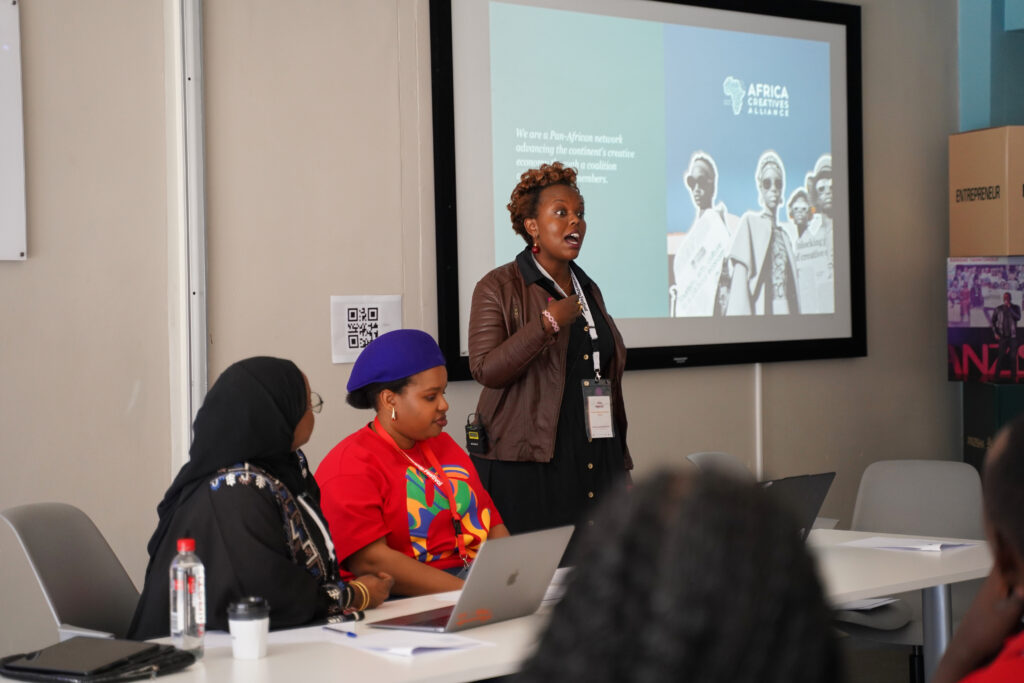
Employees are more likely to contribute confidently when they feel that their workplace recognizes their needs and values their contributions. Accessibility can therefore form part of a broader organizational culture built around inclusion, respect, and equal opportunity.
For employers, this means considering accessibility throughout the employee journey—from recruitment and onboarding to training, performance management, promotion, and leadership development. Managers should also create an environment where employees can communicate their accessibility needs without fear of being treated differently.
The ACN Guide to Employing Persons with Disabilities highlights the importance of creating inclusive and accessible workplaces that enable Persons with Disabilities to participate meaningfully and contribute their skills. This reinforces that workplace accessibility is not simply an additional benefit; it is an important part of creating equal opportunities for employees to perform, develop, and progress in their careers.
For organizations committed to building stronger teams, accessibility should not be viewed as an obligation alone. It is an investment in people, participation, and performance. By removing barriers and providing appropriate support, employers can enable more people to contribute their skills, pursue professional growth, and perform effectively.
 Africa Career Networks
  English
  French
  Portuguese
  Arabic
Laisser un commentaire
Vous devez vous connecter pour publier un commentaire.