


Sabiqah Bello, Reframing Climate Change Through Art : A Google Arts & Culture Exhibition of Consciousness and Voice
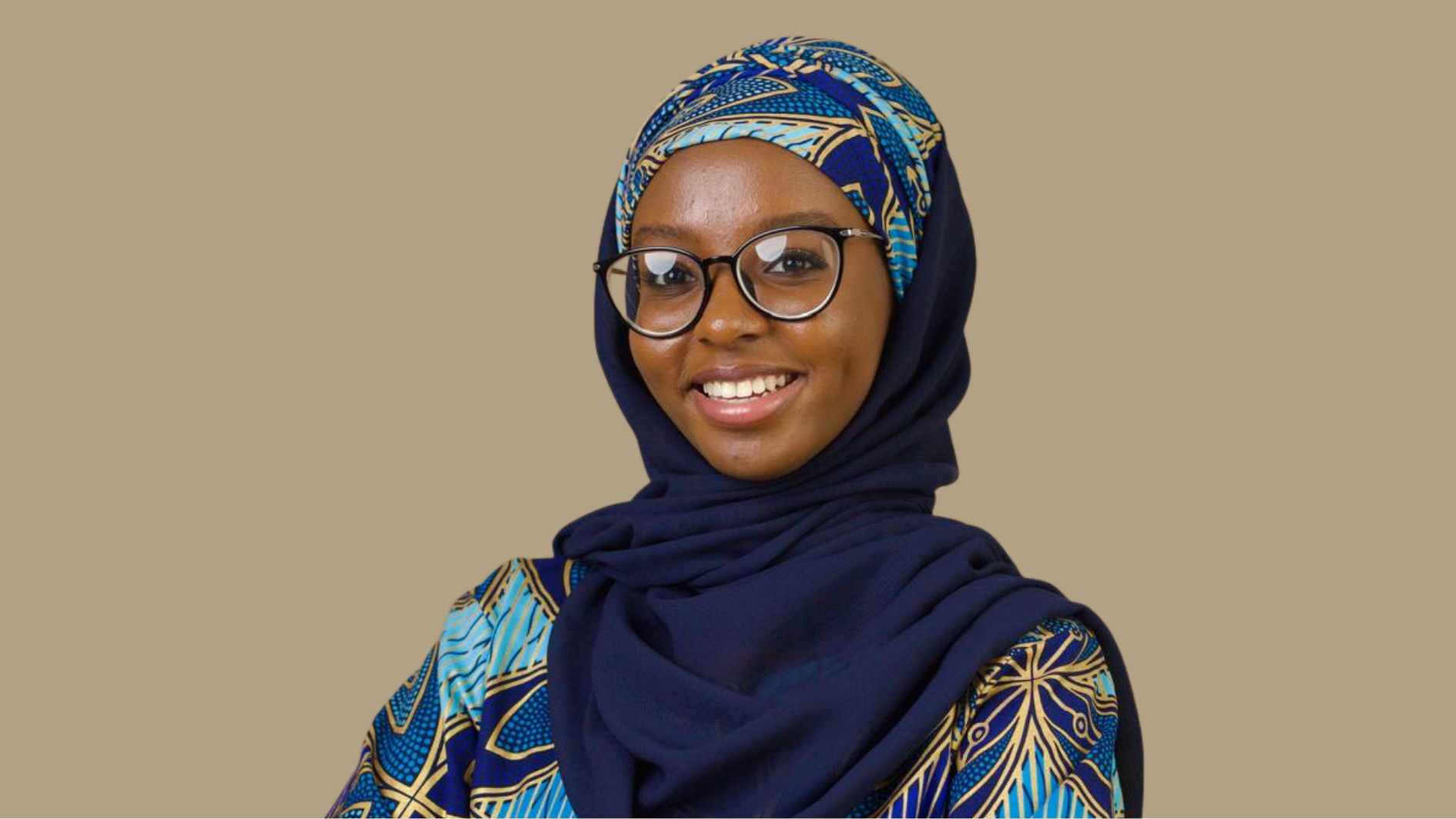
In 2022, Sabiqah Bello, an alumna of the African Leadership Academy C’20, was looking for opportunities to share her work with audiences beyond traditional literary spaces. As a writer and multimedia reporter, she understood the power of storytelling to shape conversations, but she was searching for a platform that would allow her work to reach a broader and more diverse audience.
That opportunity came through the African Leadership Network’s Arts Google Arts & Culture Exhibition, a program that provides emerging African creatives with a global platform to showcase their work. When a friend who was curating the exhibition introduced her to the initiative, Sabiqah immediately recognized its potential, not only as a space to display her art, but also as an opportunity to contribute to important social conversations through creative expression.
“At the time, I was actively looking for platforms where I could showcase my work, so when I heard about the exhibition, it felt like the perfect opportunity,” she recalls.
For her exhibition, Sabiqah developed BURDEN: A Series, a multimedia poetry project exploring the human dimensions of climate change. Rather than approaching climate change solely as an environmental issue, the project examined it as a deeply personal and intergenerational challenge, one that affects livelihoods, communities, and the future young people will inherit.
The work was structured around three themes: experience, questioning, and apology. Through poetry, photography, and spoken-word performance, Sabiqah invited audiences to reflect on the realities of a changing climate, question society’s response to the crisis, and consider the responsibility current generations hold toward those who will come after them.
What distinguished the project was its ability to humanize a complex global issue. Rather than focusing exclusively on statistics or policy debates, BURDEN is a Series centered the emotional and lived experiences behind climate change. It encouraged viewers to move beyond awareness and toward reflection, empathy, and accountability.
“I wanted the audience to experience more than just words on a page,” she explains. “Adding photography and spoken-word performances allowed me to tell a fuller story and connect with people in a different way.”
The project also represented a significant creative milestone. It was the first time Sabiqah’s work would be published on a platform as influential as Google Arts & Culture. While exciting, the opportunity required her to rethink how she communicated her ideas. She challenged herself to move beyond traditional poetry and experiment with complementary artistic forms that could deepen audience engagement and make her message more accessible.
This process pushed her outside her comfort zone and expanded her understanding of storytelling as a tool for impact. By integrating multiple mediums, she learned how different forms of art can work together to strengthen a narrative and create a more meaningful audience experience.
“The process challenged me to think beyond poetry alone,” she says. “It showed me that creative expression can take many forms and that each form can strengthen the message you want to share.”
Equally important was the support she received throughout the program. The guidance and encouragement provided by the exhibition curator helped her navigate the creative process, maintain momentum, and deliver high-quality work within the required timeline. The experience reinforced the importance of mentorship and collaborative support in helping young creatives realize ambitious ideas.
Beyond the final exhibition, the program shifted Sabiqah’s perception of what was possible for herself and other emerging African artists. Seeing her work featured on a global platform reinforced the idea that African creatives belong in international spaces and that their stories deserve to be seen, heard, and valued.
“My biggest takeaway was realizing that opportunities like this are available to people like me,” she reflects. “The experience opened my eyes to the possibilities within the network and gave me confidence to pursue even bigger opportunities.”
Today, Sabiqah views the experience as more than a showcase of her work. It was a moment that expanded her creative confidence, strengthened her ability to communicate complex issues through art, and connected her to a wider ecosystem of opportunity.
For anyone considering an ACN program, her message is simple:
“I would encourage them to go for it. ACN doesn’t just create opportunities, it provides the support, guidance, and community that help you make the most of them.”
Sabiqah’s story illustrates how strategic opportunities, combined with mentorship and creative freedom, can unlock new possibilities for emerging leaders and artists. Through BURDEN: A Series, she transformed poetry into a powerful vehicle for dialogue on climate responsibility while demonstrating how young African creatives can use their voices to inspire reflection, empathy, and change on a global stage.
Find more about the piece here.
 Africa Career Networks
  English
  French
  Portuguese
  Arabic
Leave a Reply
You must be logged in to post a comment.