


What does it take to build a successful creative career in an industry where the rules are constantly changing? Is great storytelling enough, or must today’s creatives also become entrepreneurs, audience strategists and distributors of their own work?
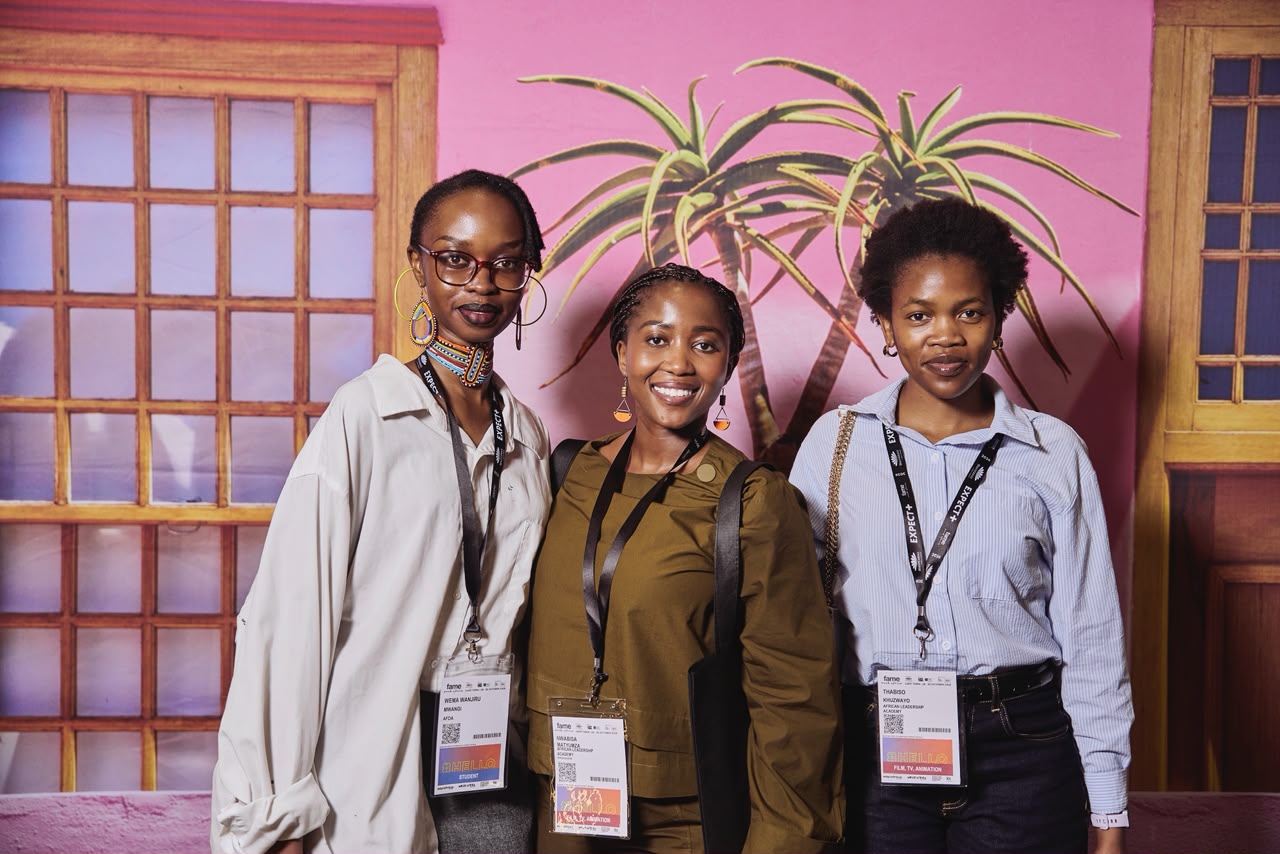
These questions were central to many of the conversations at FAME Week Africa 2026 in Cape Town from 28 October to 1 November 2026, where AL for the Arts attended with some members of the Arts network. From the changing economics of content to the importance of authentic African storytelling, the discussions highlighted important lessons for emerging creatives navigating an increasingly complex industry.
Take 1: The audience has not disappeared. The money has moved.
One of the most interesting discussions centred on the changing economics of the content industry. The appetite for content has not diminished. If anything, it has increased. What has changed is where the money is going.
Advertising and marketing budgets have increasingly shifted towards digital platforms such as Meta, fundamentally changing the traditional content financing model. This raises an important question: How do African content creators capture more of the economic value generated by the content they produce?
We remain largely a consumer economy rather than a creator economy. African audiences drive significant consumption and engagement, yet the economic benefits do not always flow back to the creators themselves. Building sustainable creative businesses requires us to think beyond production and towards ownership, monetisation and distribution.

Take 2: Authenticity remains our greatest competitive advantage.
A recurring message was that authentic storytelling remains essential. There is often pressure on African storytellers to develop content that appeals to international audiences. However, stories that resonate globally are frequently those that are deeply rooted in their local context.
While many stories explore similar themes, what distinguishes them is the lens through which they are told. Our cultures, lived experiences and perspectives are what make our stories unique.
One question particularly stood out: What are the collective pain points that communities are experiencing, and how can we represent these through storytelling?
Authenticity is not simply about cultural representation. It is about understanding audiences and telling stories that connect with their realities.
Take 3: Are we leaving young audiences behind?
Another important conversation challenged our assumptions about youth audiences.
Much of the content being produced still targets millennials, while younger audiences increasingly engage with short-form content on digital platforms. Yet these same young people can spend hours watching long-form content on YouTube.
Perhaps the issue is not that young people have shorter attention spans, but rather that we have not fully understood what captures and sustains their attention.
For an industry looking towards its next generation of audiences, understanding their values, viewing habits and expectations must become a priority.

Take 4: Distribution must begin at development.
One of the most practical takeaways was the changing role of the content producer.
It is no longer enough to develop and produce compelling content. Producers increasingly need to understand distribution strategies, platform requirements, audience development and commercial partnerships.
Distribution should be considered from the earliest stages of development, rather than once production is complete.
Digital platforms also present opportunities to test concepts with relatively low financial risk, while creators who have already built engaged audiences are becoming increasingly attractive to distributors. Brand partnerships, too, are evolving beyond traditional product placement towards more meaningful content integration.
Take 5: Relationships remain central to the industry.
Despite technological advances and changing business models, the creative industry remains deeply relationship driven. Building networks, finding the right collaborators and learning from experienced practitioners continue to be essential.
This reinforced why creating access to industry platforms for members of our AL for the Arts network matters.
What this means for emerging African creatives
FAME Week was an important reminder that developing creative talent is only one part of building a sustainable creative economy. We must also equip emerging creatives with the commercial understanding, industry relationships and strategic thinking needed to navigate an evolving sector.
Africa certainly does not lack stories or storytellers. Our challenge is ensuring that those who create the stories are equally positioned to benefit from their success.
Frequently asked questions
What is FAME Week Africa 2026?
FAME Week Africa 2026 was an industry event held in Cape Town, bringing together creatives and industry practitioners to discuss the future of African content. AL for the Arts attended with members of its network, and the conversations covered content economics, authentic storytelling, youth audiences and distribution.
What are the five key lessons from FAME Week Africa 2026?
The five lessons are: the money has moved to digital platforms, authenticity is Africa’s competitive advantage, young audiences need to be better understood, distribution must begin at development, and relationships remain central to the creative industry.
What is the difference between a consumer economy and a creator economy?
In a consumer economy, audiences drive high engagement and consumption, but most of the economic benefit goes elsewhere. In a creator economy, the people who make the content also own, monetise and distribute it, so they capture more of the value. Africa is still largely a consumer economy.
How can African creators capture more value from their content?
African creators can capture more value by thinking beyond production. That means building ownership of their work, developing monetisation strategies and controlling distribution, so the benefits of their audience engagement flow back to them.
Why does authentic storytelling matter for African creatives?
Stories that resonate globally are often deeply rooted in local context. Many stories share similar themes, but the lens, shaped by culture, lived experience and perspective, is what makes each one distinct. Authentic storytelling means understanding audiences and reflecting the real challenges their communities face.
Do young audiences really have shorter attention spans?
Not necessarily. Young people engage heavily with short-form content, yet many also watch long-form videos on YouTube for hours. The challenge for creators may be that they do not yet fully understand what captures and sustains young audiences’ attention, including their values and viewing habits.
When should creators think about distribution?
Distribution should be considered at the development stage, not after production. Producers increasingly need to understand distribution strategies, platform requirements, audience development and commercial partnerships from the start.
Why do relationships still matter in the creative industry?
Despite new technology and business models, the creative industry remains relationship-driven. Building networks, finding the right collaborators and learning from experienced practitioners remain essential to building a sustainable creative career.
How does AL for the Arts support emerging creatives?
AL for the Arts creates access to industry platforms, such as FAME Week Africa, for members of its network. The goal is to equip emerging creatives with the commercial understanding, industry relationships and strategic thinking needed to build sustainable creative careers.
Join the AL for the Arts network
Want access to industry platforms, collaborators and opportunities like FAME Week Africa? Join the AL for the Arts network.
 Africa Career Networks
 English
 French
 Portuguese
 Arabic
Deixe um comentário
Tem de iniciar a sessão para publicar um comentário.