


Power Meets Capital and the Future of Women’s Leadership in Africa, 5th NALAFEM Summit
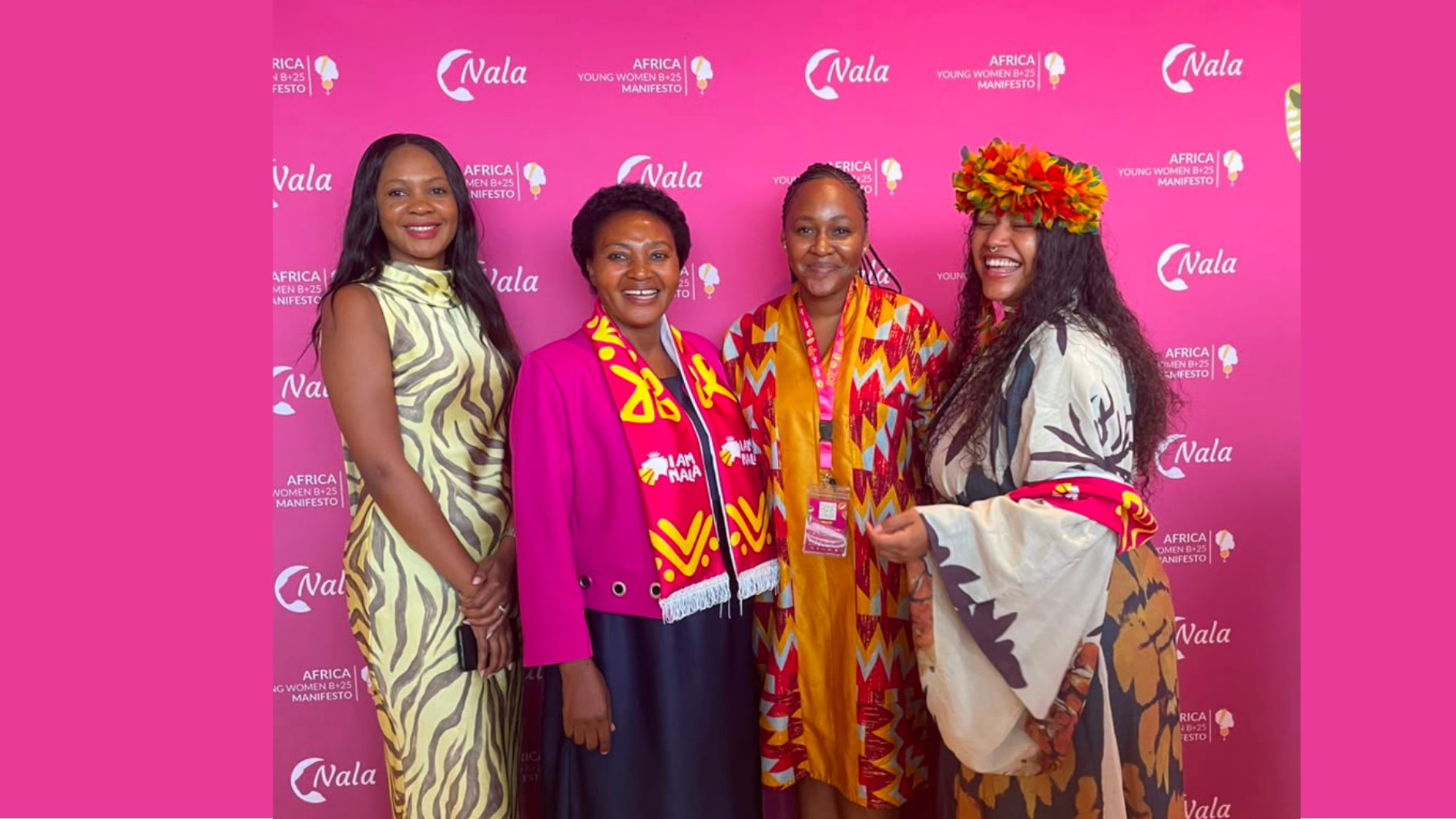
Across Africa, women continue to demonstrate their ability to lead, innovate, and influence change across sectors. Yet, the question remains: what happens when leadership potential is matched with the resources, networks, and institutional support needed to scale impact?
This question shaped conversations at the 5th NALAFEM Summit in Nairobi, held under the theme “Power Meets Capital: When Women Back Women”. The convening brought together founders, researchers, professionals, political leaders, and governance practitioners from across Africa to examine the future of women’s leadership, governance, peacebuilding, and inclusive development.
Discussions revealed how representation alone is not enough to create lasting transformation, but meaningful progress requires intentional investment in the systems that enable leaders to succeed. This includes access to capital, stronger institutions, strategic partnerships, and leadership development opportunities that allow women and young people to move from participation to influence.
The theme “Power Meets Capital” highlighted a critical leadership challenge facing the continent: ideas, talent, and vision can only create sustained impact when they are supported by the right ecosystems. Across Africa, many women are leading initiatives that address social, economic, and governance challenges, but limited access to resources and decision-making spaces often restricts their ability to scale their contributions.
The summit reinforced the need for a new approach to leadership development, one that does not only prepare individuals to lead but also strengthens the environments in which leadership takes place. Building Africa’s future requires institutions that are ethical, inclusive, and capable of translating leadership potential into meaningful public outcomes.
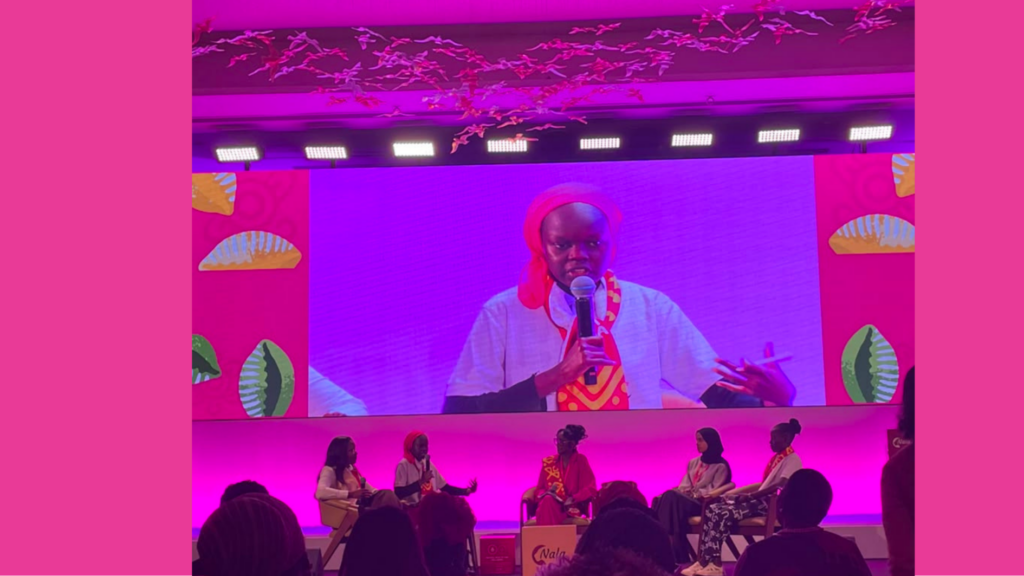
These conversations aligned with the core mandate of AL for Governance, to developing ethical, values-driven public leaders equipped to strengthen governance systems across the continent.
Through engagement in this summit, Al for governance continues to demonstrate the importance of investing in leadership pipelines that prepare emerging leaders to navigate complex governance challenges. As governments, institutions, and development partners increasingly recognise the need for stronger public leadership, initiatives like the Umholi we Africa Fellowship provide an important foundation for developing the next generation of leaders who can drive institutional transformation.
The summit also strengthened connections across the wider governance ecosystem, creating opportunities to engage with partners and supporters of the programme, including colleagues from the Club of Rome, political leaders, and members of NALAFEM. These relationships reflect the importance of collaboration in advancing a more inclusive and effective governance across Africa.
The lessons from Nairobi extend beyond women’s leadership alone. They point to a broader reality about Africa’s development journey:
- Transformation requires both capable leaders and systems that enable them to succeed.
- Investing in leadership without investing in institutions creates limited progress
- Investing in institutions without developing capable leaders creates limited direction. Sustainable change requires both.
As Africa continues to navigate complex challenges, the continent’s future will depend on its ability to identify, support, and empower leaders who can bridge vision with action. The 5th NALAFEM Summit demonstrated that when leadership is backed by investment, partnerships, and opportunity, it becomes a powerful force for building stronger institutions and more inclusive societies.
The future of African leadership will not only be defined by who holds power, but by who is supported to use that power to create lasting value.
 Africa Career Networks
  English
  French
  Portuguese
  Arabic
اترك تعليقاً
يجب أنت تكون مسجل الدخول لتضيف تعليقاً.