


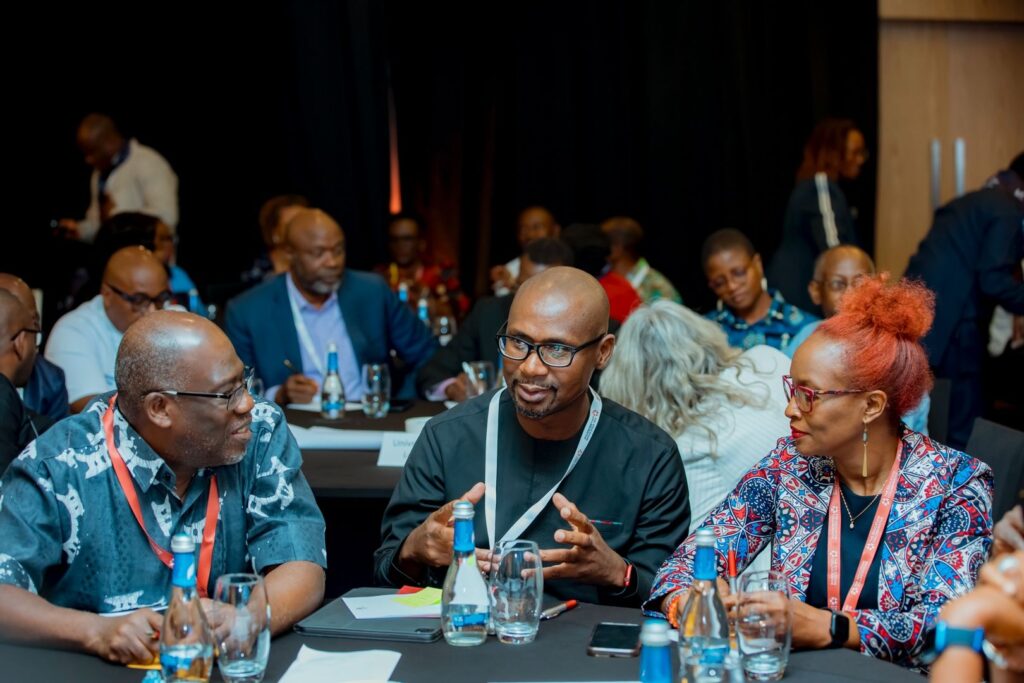
Africa’s higher education sector is experiencing a revolutionary shift, moving from traditional academic models to holistic student development approaches that prepare graduates for the complexities of the modern workforce. This transformation was the central focus of the 2025 Education Collaborative Convening held in Rwanda, where educational leaders from across the continent gathered to discuss “Re-centering Student Development: Reflecting, Mobilizing, and Aligning for a Transformational Student Experience.”

The Education Collaborative: From Initiative to Movement
The Education Collaborative has evolved from a simple initiative into a powerful movement reshaping African tertiary education. This platform facilitates the sharing of best practices in tertiary teaching, management, and administration among institutions committed to educating ethical entrepreneurial leaders for Africa. Their vision is ambitious yet achievable: building a network of institutions and individuals committed to solving Africa’s biggest challenges through education.
Val Wiggett, Senior Director of Career Programs at Africa Career Networks (ACN), attended this pivotal event and shared valuable insights that demonstrate how collaboration is driving meaningful change across African educational institutions.
Ten Game-Changing Strategies for Holistic Student Success
1. Embracing Collaboration Over Competition
The most significant shift in African higher education is the move from institutional competition to collaborative partnership. Educational institutions that work together achieve faster, more impactful change. The Education Collaborative‘s success over recent years proves that when universities share resources, knowledge, and best practices, the entire educational ecosystem benefits.
This collaborative approach enables institutions to pool resources, share innovative teaching methods, and create stronger networks that ultimately benefit students across the continent.

2. Aligning Curriculum with Real-World Needs
Modern curriculum design must bridge the gap between academic theory and practical application. Universities are now aligning their programs with both employability needs and societal challenges, ensuring graduates are equipped to tackle Africa’s most pressing issues while remaining competitive in the global job market.
This alignment involves regular consultation with industry partners, government agencies, and civil society organizations to ensure educational content remains relevant and impactful.
3. Empowering Students as Co-Creators
The traditional model of passive learning is being replaced by active student participation in their educational journey. Progressive institutions are creating platforms for student feedback, involving learners in curriculum design, and including them in institutional decision-making processes.
This approach fosters a sense of ownership over learning outcomes and future career pathways, resulting in more engaged and motivated students who are better prepared for leadership roles.
4. Developing the Whole Student
Education is being re-centered around comprehensive student development that extends far beyond academic achievement. This holistic approach focuses on developing leadership skills, critical thinking abilities, creativity, ethical reasoning, and adaptability – all essential qualities for navigating Africa’s dynamic socio-economic landscape.
5. Prioritizing Mental Health and Wellbeing
Student success is impossible without addressing mental health and wellbeing. Forward-thinking institutions are providing robust career guidance, comprehensive mentorship programs, and ensuring equitable access to learning opportunities regardless of students’ backgrounds.
This support system creates an environment where all students can thrive, contributing to better academic outcomes and improved post-graduation success rates.
6. Strategic AI and Technology Integration
The integration of artificial intelligence and technology in education goes beyond simple adoption – it requires strategic implementation to enhance student development outcomes. Institutions that fail to embrace this technological transformation risk becoming irrelevant in the rapidly evolving educational landscape.
Successful technology integration focuses on personalized learning experiences, enhanced engagement, and preparing students for AI-influenced careers while maintaining the human elements essential for holistic development.
7. Incorporating 21st Century Skills
Traditional academic content alone is no longer sufficient for preparing graduates for modern careers. The integration of critical thinking, problem-solving, digital literacy, collaboration, and entrepreneurship skills has become crucial for success in dynamic labor markets increasingly impacted by AI and automation.
These skills ensure graduates can adapt to changing career demands and contribute meaningfully to Africa’s economic development.
8. Investing in Educator Development
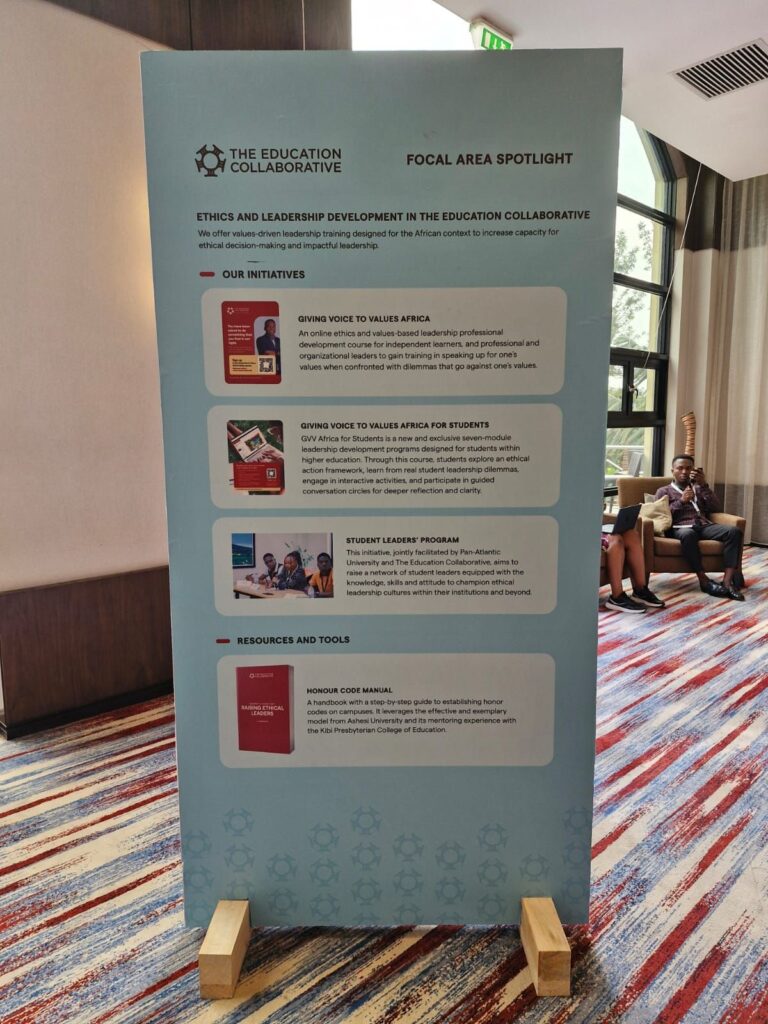
The success of educational transformation depends heavily on the professional development of educators and institutional leaders. This investment involves equipping teaching staff with skills to facilitate holistic student development, embrace innovative pedagogies, and foster inclusive learning environments.
Continuous professional development ensures educators can effectively guide students through their transformational educational experiences.
9. Stakeholder Alignment
Effective student development requires alignment among all stakeholders: faculty, administrators, policymakers, industry partners, and even parents. This coordination ensures that policies, practices, and resources work cohesively to support positive student experiences and outcomes.
When all parties work toward common goals, the impact on student success is exponentially greater than individual efforts.
10. Building Strategic Partnerships
Strong partnerships between educational institutions, industry, government, and civil society create comprehensive ecosystems that provide students with real-world experiences, internship opportunities, mentorship, and clear pathways to employment or entrepreneurship.
These partnerships bridge the gap between academic learning and practical application, ensuring graduates are career-ready and equipped to make immediate contributions to their chosen fields.
The Path Forward for African Higher Education
The insights from the 2025 Education Collaborative Convening demonstrate that African higher education is undergoing a fundamental transformation. Institutions that embrace these holistic approaches to student development are positioning themselves as leaders in preparing graduates for the challenges and opportunities of the 21st century.
This transformation requires commitment from all stakeholders and a willingness to move beyond traditional educational models toward innovative, student-centered approaches that prioritize both academic excellence and comprehensive personal development.
ACN’s Role in Educational Transformation
As demonstrated by our participation in this influential convening, ACN remains at the forefront of educational innovation across the continent. Through strategic partnerships and collaborative initiatives, the organization continues to support the transformation of African higher education, ensuring graduates are equipped with the skills, knowledge, and networks necessary for career success and societal impact.
The future of African education lies in collaboration, innovation, and a commitment to developing not just academically successful graduates, but well-rounded leaders ready to tackle the continent’s greatest challenges and opportunities.
 Africa Career Networks
  English
  French
  Portuguese
  Arabic
اترك تعليقاً
يجب أنت تكون مسجل الدخول لتضيف تعليقاً.